Patients do not ask for a filler, they ask for a result that lasts, looks natural, and makes sense for their lifestyle. Longevity follows from good product selection, an understanding of facial anatomy, and technique that respects how you express and age. The marketplace is crowded with dermal fillers, but only a handful reliably deliver extended results. If you are weighing face fillers for the first time, or you have tried hyaluronic acid fillers and want to stretch intervals between visits, this guide distills what endures, where it shines, and where restraint protects you.
What makes a filler last
Three variables drive durability. First, the material itself, from hyaluronic acid to collagen stimulators, determines how the body breaks it down. Second, rheology matters, meaning how a gel resists stretch and holds shape under pressure. High G prime products tend to support structure in cheeks and jawline longer than softer lip fillers. Third, technique and placement influence longevity just as much as brand. A small bolus on bone at the cheek apex can hold for 18 to 24 months, while a similar volume in the lip may settle in four to nine months because of constant motion and thin skin.
Your own biology plays a part. People with high metabolism, endurance training routines, or heavy sun exposure may see faster turnover. Age, skin laxity, and smoking history shift the plan as well. Thick, sebaceous skin with solid cheekbones tends to hold results longer than delicate skin where volume loss and ligament laxity are advanced.
The families of fillers and how long they last
You can think of injectable fillers in two categories. The first is hyaluronic acid fillers, which provide immediate volume and are reversible with hyaluronidase. The second is biostimulatory fillers, which trigger your fibroblasts to build collagen for gradual, longer lasting improvement. Within each family, specific products vary a great deal.
| Filler family and examples | Typical longevity | Reversible | Best suited areas | Notes | | --- | --- | --- | --- | --- | | Hyaluronic acid fillers, such as Juvederm Voluma, Volux, Restylane Lyft, Restylane Contour, Teosyal RHA 4 | 9 to 24 months depending on product and placement | Yes, with hyaluronidase | Cheek augmentation fillers, chin sculpting fillers, jawline contour fillers, nasolabial fold fillers | Immediate results, wide safety margin, ideal for first time patients | | Softer hyaluronic acid fillers, including Juvederm Volbella, Restylane Kysse, Belotero Balance, RHA 2 | 6 to 12 months | Yes | Lip fillers, under eye fillers for tear troughs, fine line work, subtle lip fillers | Better for mobile or thin skin zones, conservative approach reduces Tyndall effect under eyes | | Calcium hydroxylapatite, Radiesse | 12 to 18 months as a volumizer, up to 24 when hyperdiluted for skin quality | No | Lower face contouring, smile line fillers, marionette line fillers, jawline definition fillers | Can be used hyperdiluted for neck and cheek skin tightening through collagen stimulation | | Poly-L-lactic acid, Sculptra | 18 to 30 months after a series | No | Full face dermal fillers for global collagen loss, hollow cheeks, lower face laxity | Results build gradually over 3 to 4 months after each session, natural look when planned properly | | Polycaprolactone, Ellansé | 24 to 48 months depending on subtype | No | Midface and jawline in experienced hands | Widely used outside the United States, not FDA approved in the US | | PMMA collagen gel, Bellafill | 5 years or more | No | Nasolabial folds and acne scars | Requires careful candidate selection, longest acting, essentially semi permanent |
The numbers above assume proper placement and realistic dosing. A single syringe in a cheek that truly needs three will not deliver a two year result. My average cheek and midface plan for structural lift starts at two to three syringes of a firm hyaluronic acid gel such as Voluma or Restylane Lyft, placed deep on bone and along the zygomatic arch. When I anchor that framework well, patients often return at 18 months for a conservative top up, not a full redo.
Where long lasting matters the most
Cheekbones and the lateral face. Strategic supraperiosteal boluses at the malar apex and along the arch hold shape remarkably well. Stronger gels with high cohesivity resist compression from sleeping and daily expression. This is the backbone of a non surgical face lift filler approach, sometimes called a liquid facelift, because lifting the midface softens nasolabial folds and marionette shadows without chasing every line.
Chin and jawline. Chin augmentation fillers and jawline fillers can define the lower face with one to three syringes for the chin and two to four along the jawline depending on anatomy. Volux, a denser hyaluronic acid filler, was formulated for this purpose and commonly lasts 12 to 18 months. Calcium hydroxylapatite also performs well here with a firm hand.
Temples and piriform aperture. Subtle support at the temple and beside the nose can open the eye and reduce deep nasolabial folds. These areas are vascularly complex and should be treated by a seasoned injector with a plan for managing complications.
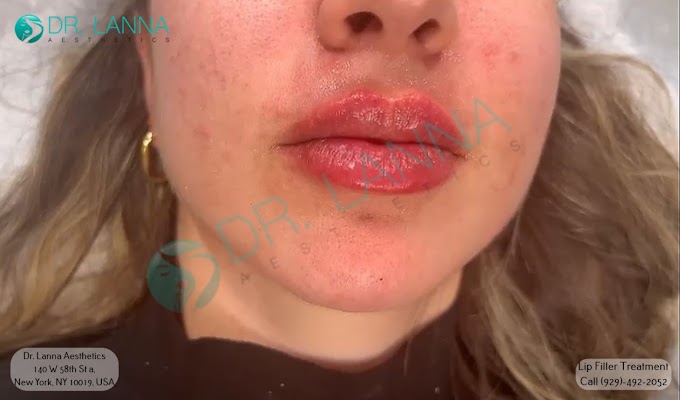
Under eye and lips. Tear trough fillers are notoriously unforgiving. Longevity is less important than a smooth edge without puffiness or color change. Softer, lower concentration hyaluronic acid like Volbella or RHA 2, placed deep and sparingly, can give 9 to 12 months of benefit. Lips break filler down faster due to motion and blood supply. Even the best dermal fillers in the lip last 6 to 9 months for most people. Natural looking fillers in this zone are more about proportion and texture than squeezing out an extra month or two.
Smile lines and marionette folds. Midweight gels such as Restylane Refyne or Juvederm Vollure balance flexibility and support for 9 to 12 months. When folds are deeply tethered, collagen stimulators like Sculptra or hyperdiluted Radiesse can soften the frame and improve skin quality for 12 to 24 months.
Acne scars. Bellafill has FDA approval for certain acne scars and can yield multi year benefits. I approach this like a minor surgical procedure, with consent around permanence and an expectation that minor imperfections will need fine tuning.
Longevity versus reversibility
The desire for the longest possible filler must be balanced against safety and taste. Hyaluronic acid wins on reversibility. If a lip is overdone or an under eye looks puffy, hyaluronidase can dissolve it in minutes. That safety net changes how bold we can be with shaping during a first dermal filler appointment. Biostimulators, on the other hand, reward patience and planning. Sculptra sits at the conservative end for non reversible products because results build slowly and can be layered. Bellafill occupies the other end, essentially permanent microspheres suspended in collagen that your body maintains for years. It is powerful and unforgiving, best reserved for stable, well tested indications like certain nasolabial folds or rolling acne scars in carefully screened patients.
A quick longevity comparison by goal
- Structure and contour for cheeks, chin, jawline: high G prime hyaluronic acid fillers or Radiesse for 12 to 24 months, with Sculptra layered for 18 to 30 months of tissue support. Skin quality and subtle tightening in neck, lower face, cheeks: hyperdiluted Radiesse or Sculptra in a series, 12 to 24 months after the last session. Tear troughs and fine lines: soft hyaluronic acid, 6 to 12 months, conservative dosing favored over duration. Lips: tailored hyaluronic acid such as Kysse or Volbella, 6 to 9 months, sometimes 12 in low metabolizers. Acne scars with boxcar or rolling edges: Bellafill with subcision when appropriate, multi year results.
Technique, not just product, extends results
I once treated two friends six weeks apart. Same age, both wanted cheek lift and jawline definition fillers. One received two syringes scattered superficially to chase shadow lines. She loved the initial plumpness but faded at six months. The second received three syringes, placed deep on bone at the cheek apex and laterally, with firmer product laid along the mandibular border using a blunt cannula for safety. At 15 months she still looked refreshed, and we added a single syringe for maintenance. Same brand family, very different plans. Depth, vectoring, and dose density matter more than label names.
A few practical notes that influence staying power:
- Deep structural placement on bone, ligaments, or along tethers sets a foundation that resists dynamic collapse. Respect resting vectors. Fill along lift vectors to use your own anatomy as support rather than fighting it. Avoid overfilling mobile zones. A heavy upper lip not only looks unnatural, it breaks down quickly. Consider a staged approach. For significant volume loss, two visits eight to twelve weeks apart let tissue adapt and produce collagen when stimulators are used.
Choosing between hyaluronic acid and biostimulators
Hyaluronic acid fillers fit best when immediacy and precision are priorities. Lip enhancement injections, tear trough work, subtle correction for asymmetry, or any area where reversibility adds peace of mind all favor HA. They are the most common injectable fillers for good reasons: predictable, versatile, and widely available as FDA approved dermal fillers.
Biostimulators excel in the background. If you feel deflated through the midface and lower face, a series of Sculptra sessions can restore a youthful frame that looks like you on a good day, not like you with filler. Hyperdiluted Radiesse serves patients with mild neck laxity and crepey cheek skin by thickening the dermis. Ellansé offers similar benefits in regions where it is available, typically with options designed to last two, three, or four years.
Using both strategically often yields the best dermal filler results. I favor Sculptra or hyperdiluted Radiesse for global support, then add targeted hyaluronic acid for cheek apex, chin point projection, and jawline crispening. Think of it as renovating the foundation first, then upgrading the hardware.
Safety is not optional
Any filler, even the best dermal fillers, can cause problems in the wrong hands. Common dermal filler side effects include temporary swelling, bruising, and tenderness. Nodules, lumps, or a bluish hue under the eye, known as the Tyndall effect, occur when product selection or plane is wrong for the area. The complication we train hardest to avoid is vascular occlusion, when filler blocks a blood vessel. Symptoms are severe pain, blanching, dusky color change, or reticulated skin. Immediate action is critical. In my practice, every room has hyaluronidase drawn up when doing hyaluronic acid fillers, and we have clear protocols for managing suspected occlusions, including warm compresses, massage, and high dose hyaluronidase along the affected artery pathway.
High risk zones include the glabella, nose, and nasolabial area near the alar base. Off label treatments such as nonsurgical nose filler deserve informed consent that covers blindness risk, even when using cannulas. Under eye filler treatment must be delicate and often benefits from a micro cannula to reduce bruising and intravascular injection risk.
All reputable dermal filler clinics should walk you through a filler consultation that covers your medical history, previous injectable fillers, allergies, autoimmune disease, blood thinners, and plans for dental work or vaccines around the time of treatment. Good candidates have stable health, realistic expectations, and patience for subtle, layered change.
What to expect from the procedure and recovery
The dermal filler procedure typically takes 30 to 60 minutes. We map out vectors, examine you animated and at rest, and mark surface landmarks like the zygomatic arch, mandibular ligament, and pre jowl sulcus. Topical anesthetic or regional dental blocks make lip and chin work more comfortable. Some products include lidocaine to soften the sting. Needles deliver precision for small boluses, while blunt cannulas spread product in fanlike threads across a plane with less bruising.
You will look fuller at the end of your visit. Swelling peaks over 24 to 48 hours. Mild bruising, especially around the eyes and mouth, settles over 5 to 10 days. Sculptra is different. It is mixed and injected as a watery suspension, then your body gradually builds collagen over weeks. You massage as directed to distribute the product and minimize nodule formation.
Your aftercare plan should be simple: keep the head elevated the first night, skip heavy exercise for 24 to 48 hours, avoid alcohol that evening, and postpone dental cleanings or invasive facial treatments for two weeks. Makeup can be worn the next day if entry points are closed. For Sculptra, the 5-5-5 rule is common, meaning massage five minutes, five times a day, for five days.
Cost, value, and how to budget for longer results
Derma filler price varies with geography, injector expertise, and product. In the United States, a syringe of hyaluronic acid typically ranges from 600 to 1,200 dollars. Radiesse falls between 800 and 1,500 dollars per syringe. Sculptra is priced per vial, often 800 to 1,200 dollars, with two to three vials over two to three sessions for full face volumizing. Bellafill tends to cost 1,000 to 1,500 dollars per syringe given its longevity and required testing for bovine collagen sensitivity.
I counsel patients to think in terms of a one year and a three year plan. A first year plan might include two visits to build the result, then light touch ups. A three year plan might incorporate a biostimulator for tissue quality and periodic hyaluronic acid for contour. Comparing value across time shifts the mindset from chasing short term plumpness to maintaining structure, which is where long lasting dermal fillers shine.
If you are searching for affordable dermal fillers or “dermal fillers near me,” remember that the cheapest session can be the most expensive if it must be corrected. The safest bargain is an experienced, medically supervised practice that knows when to say no.
Managing expectations, especially for movement heavy zones
Everyone wants lips that last a year. Most lips do not. The vermilion is constantly moving and well vascularized. Trying to force longevity with a stiff product or too much volume invites lumps and migration. The same logic applies to smile lines in expressive talkers and singers. Choose products and plans that respect motion. You will look better, and ironically, your filler will often last longer because it is not fighting your face.
Under eye filler is another place where restraint pays off. A subtle correction for dark circles from volume loss is worth more than a heavy fill that looks pillowy in six months. When tear trough skin is thin and crepey, a biostimulator in the cheek and lateral face often improves the under eye by dermal fillers near me restoring the frame above it. Not all problems require injecting the problem area.
Tying it all together with a maintenance plan
The last step to extended results is simple discipline. Good photography at baseline and at three, six, and twelve months lets us see what is changing with time, not just memory. I set reminders for small top ups, because one syringe at month twelve is almost always better than three at month twenty four. Gentle skincare, sun protection, and avoiding smoking protect your collagen so every filler you place lasts longer.
A minimal routine that extends filler life includes daily sunscreen, a sensible retinoid plan, and perhaps a biannual session of hyperdiluted Radiesse or Sculptra if skin laxity is a concern. If you grind at night, a night guard preserves jawline contour by reducing masseter hypertrophy. For patients who love high intensity training, consider easing off extreme heat exposures for 48 hours after injections to limit vasodilation and swelling.
A brief case study
A 52 year old patient came in with concerns about sagging around the mouth, deeper nasolabial folds, and a square, tired jawline. She asked for marionette line fillers and smile line fillers, and had tried a single syringe of nasolabial fold filler elsewhere that did not seem to last. On exam, she had significant midface volume loss and laxity along the mandibular ligament. We set a two visit plan.
Session one used two syringes of a firm hyaluronic acid filler to rebuild the cheek apex and lateral cheek, and one syringe along the jawline, mostly deep and on bone. At six weeks we added hyperdiluted Radiesse to the lower face for skin quality and a soft lift. We did not inject the folds. By her three month photo she looked less heavy around the mouth because the cheek support returned. At 14 months she was back for a single syringe along the jawline and remained happy. The long lasting effect did not come from chasing lines, it came from restoring architecture.
How to stretch your results without overfilling
- Build deep first, then refine superficially at a later visit. Match product to plane, soft gels for mobile or thin skin, firmer gels for structure on bone. Protect your investment with sunscreen, adequate hydration, and consistent sleep. Plan for maintenance at 9 to 18 months rather than full reinvention at two years. Choose a dermal filler specialist who can say no when a request would harm proportions.
Final thoughts from the chair
Extended results follow from three habits. Choose the right material for the job. Place it where your own anatomy will support it. Maintain it before it completely fades. Whether you need cheek lift fillers for youthful contour, chin fillers to balance a profile, jawline definition fillers to sharpen a soft edge, or under eye filler treatment for hollowing, there is a path that favors longevity without sacrificing taste.
If you are unsure where to start, schedule a thorough filler consultation. Bring photos from five to ten years ago to show how your face carried volume in your prime. A skilled injector will map a plan that respects your tissues, uses safe dermal fillers in the right planes, and sets expectations on cost, recovery, and durability. Done this way, cosmetic fillers become quiet partners that keep you looking like yourself year after year, not a trend that https://batchgeo.com/map/dermal-fillers-in-new-york-ny fades by the time you reach the parking lot.