The quickest way to get great dermal filler results is to choose the right pair of hands. That sounds obvious, but in practice it requires more than a quick search for dermal filler near me and a glance at star ratings. Expertise with dermal filler injections shows up in subtle ways long before a needle touches skin, from how your face is assessed to how an injector documents results. The aim is not just plumper lips or fuller cheeks. The aim is balance, proportion, and safety, delivered by someone who understands anatomy, product behavior, and aesthetics.
I have sat in rooms where patients lit up after a conservative touch to the midface, and I have met others looking to correct filler placed too superficially under the eyes. The difference in outcome did not come down to luck or product brand. It came down to training, judgment, and a track record you can verify.
What counts as an expert in dermal fillers
Expertise is measurable. It shows up in qualifications, in case volume, and in how complications are handled. An expert is usually a medical professional trained to inject cosmetic dermal fillers within their scope of practice. That can include board-certified dermatologists or plastic surgeons, facial plastic surgeons, oculoplastic surgeons, cosmetic physicians, as well as nurse practitioners, physician associates, and registered nurses who have had dedicated aesthetics education, mentorship, and ongoing hands-on experience. The titles alone are not enough. You want to see alignment between formal training, continued education in aesthetic medicine, and hundreds of procedures performed with outcomes similar to what you want.
I look for a few signs: a structured dermal filler consultation, time spent mapping facial anatomy on dermal fillers NY your face, discussion of your previous treatments and medical history, and clarity on product choice. Someone who can explain why hyaluronic acid dermal fillers fit your goals over calcium hydroxylapatite, or when a cannula is safer than a needle near the tear trough, is someone thinking about long-term dermal filler safety.
The best dermal fillers or brands are only as good as the person placing them. Hyaluronic acid dermal fillers, which are the most common for lip dermal fillers, cheek dermal fillers, nasolabial folds, and marionette lines, have a strong safety profile and the advantage of reversibility with hyaluronidase if needed. That does not make them foolproof. Precision in depth, plane, and quantity matters. The under eye dermal fillers area, for example, punishes sloppy technique with puffiness or the Tyndall effect. The jawline dermal fillers and chin dermal fillers areas require attention to angle and ligament support. Good injectors know where to say no.
Credentials that actually matter
Credentials vary by country, but the principles hold. You want a medical license in good standing, recognized training in aesthetic medicine, and either a board certification or equivalent benchmark of expertise in a relevant specialty. In the United States, that can mean board certification by the American Board of Dermatology, the American Board of Plastic Surgery, or the American Board of Otolaryngology for facial plastics. In the United Kingdom, you might look for practitioners registered with the General Medical Council, the General Dental Council, or the Nursing and Midwifery Council, with additional aesthetics training and, ideally, membership in organizations that emphasize standards and complication management.
A portfolio of continuing education matters more than a weekend course certificate. Many high-caliber injectors attend cadaver anatomy labs and small-group mentorships several times a year. They can speak about rheology and how different filler brands behave - softer gels for dermal filler lip augmentation, firmer gels for dermal filler chin augmentation or dermal filler jawline contour. They document adverse events and have protocols for vascular occlusion, including immediate access to hyaluronidase and a referral pathway to ophthalmology for the rare but serious risk of vision compromise.
Here is a fast, practical check you can perform before booking a dermal filler appointment:
- Verify licensure and any board certification with the relevant national registry. Confirm the name and specialty match. Ask about annual case volume and the areas treated most often - lips, cheeks, tear trough, chin, jawline. Look for experience aligned to your goals. Confirm they stock hyaluronidase on site and have a written emergency protocol for vascular events. Ask what continuing education they completed in the last 12 months. Look for anatomy labs, peer training, or conferences focused on dermal filler safety. Request at least three patient references or unedited dermal filler before and after sets for cases similar to yours.
How to read a portfolio like a pro
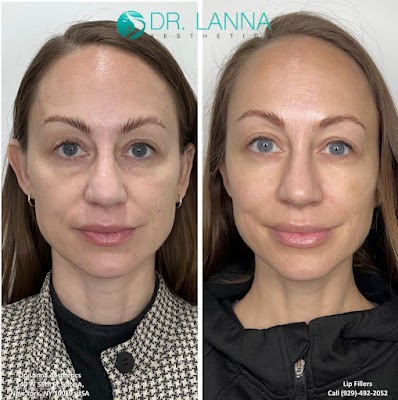
Portfolios can mislead if you do not know what to look for. Many clinics have crisp images, but inconsistent lighting, angles, or makeup make the results hard to judge. A good dermal filler expert shows standardized views - front, oblique, profile - taken at consistent distance and lighting, with hair pulled back when assessing the jawline or cheekbones. The best portfolios include time spans: immediately after treatment and at two to four weeks, sometimes at three to six months. This reveals swelling, settling, and real dermal filler results.
Scrutinize proportional change instead of fixating on single features. If the lip body was filled without a gentle lift of the philtral columns, the effect can look heavy from the side. If midface volume was added with cheek dermal fillers but the tear trough was left hollow, the face can read tired even though more filler was used. The portfolio should show not just spot repairs, but facial balancing across regions: face dermal fillers that respect total harmony.
Use this short guide when you review portfolios:
- Look for consistent lighting, angles, and no filters. Skin texture should remain visible in both sets. Scan for time stamped images - immediate, two weeks, and beyond - to judge settling and longevity. Compare profile views for chin projection and jawline continuity. Note whether enhancements look natural at rest and during expression. Examine under-eye cases for smooth transitions and absence of blue-gray hue. Puffiness or shelf-like edges are red flags. Favor subtle enhancement work. Overfilled lips, ballooned cheeks, or erased nasolabial folds often look artificial off camera.
The consultation that sets you up for success
A proper dermal filler consultation is a working session, not a sales pitch. Expect the injector to take a full medical history, including autoimmune conditions, allergies, medications like blood thinners, and any previous cosmetic dermal fillers or surgery. They should ask about your event timeline if you are aiming for dermal filler same day results or planning for a wedding. Be wary of clinics that jump straight to pricing without discussing anatomy and options.
The best consultations include a mirror and a marker. You and the provider identify what bothers you - for example, facial volume loss in the midface, thin lips with asymmetry, or shadowing in the tear trough. The injector then maps out where structural support would have the biggest visual payoff. Often this means starting slightly away from the complaint. Softening nasolabial folds might begin with cheek support to lift, rather than directly filling the fold. That is the essence of dermal filler facial balancing and dermal filler face contouring.
A good plan includes product selection by area. Hyaluronic acid dermal fillers are the workhorse for lip dermal fillers, under eye dermal fillers, and smile line softening. Calcium hydroxylapatite may be used for jawline contour because it holds shape well. Poly-L-lactic acid stimulates collagen gradually and pairs with dermal filler anti aging treatment for global improvement. You should leave the consultation knowing the rationale for each choice, the expected number of syringes, the dermal filler cost range, and the dermal filler longevity by area.
Pricing, value, and the trap of cheap syringes
Dermal filler price varies widely by region and product. In large US cities, expect roughly 500 to 1,200 dollars per syringe for hyaluronic acid fillers. In many UK clinics, you may see 200 to 500 pounds per milliliter. Cheek or chin dermal fillers often require more volume than lip work, so the total dermal filler treatment plan can range from a single syringe for dermal filler lip enhancement to two to four syringes for cheek support and jawline refinement. Packages that seem like affordable dermal fillers can be reasonable when they bundle assessments and touch ups, but be alert to incentives that encourage overfilling just to meet a tier.
Dermal filler deals and dermal filler discounts are not inherently bad. Clinics run seasonal promotions and loyalty pricing. What matters is product integrity and injector expertise. If a price feels far below the local average, ask which dermal filler brands will be used and verify lot numbers. Avoid settings that cannot or will not disclose product names. Financing is common in aesthetics, but do not let dermal filler financing push you into more units than you need. The most expensive filler is the one you have to dissolve or correct.
Safety, side effects, and what real downtime looks like
Most patients can return to normal life shortly after treatment, which is why dermal filler minimally invasive procedures are appealing. Expect some combination of swelling, redness, and tenderness for 24 to 72 hours. Bruising can last a week or longer, especially after lip dermal fillers or injections near the eyes. Mild lumps can occur if filler attracts water or settles unevenly in the first days. Gentle massage may be recommended case by case, but do not self-massage without guidance. Planning around events matters. For photos or important meetings, schedule dermal filler treatment at least two weeks ahead.
The rare but serious risk is vascular occlusion, when filler blocks a blood vessel. Symptoms include intense pain, skin blanching, or mottling. Immediate action with hyaluronidase makes a difference, which is why having a dermal filler certified injector with protocols matters. Blindness is extremely rare but documented when filler enters specific facial vessels near the nose and glabella. Good injectors mitigate risks with aspiration checks, small aliquots, slow injection, and cannula use in higher risk zones, but risk is never zero.
You should receive specific aftercare instructions: no vigorous exercise for 24 hours, no saunas that day, avoid alcohol the first evening if possible to reduce bruising, keep the area clean, and avoid facial treatments for one to two weeks. A follow up in two weeks allows for assessment, photos, and potential dermal filler touch up. This is part of dermal filler maintenance that keeps results natural and proportionate over time.
Matching goals to methods: lips, cheeks, eyes, chin, jawline
Not every face needs the same approach. Here is how I guide patients through common areas, trade offs, and expectations.
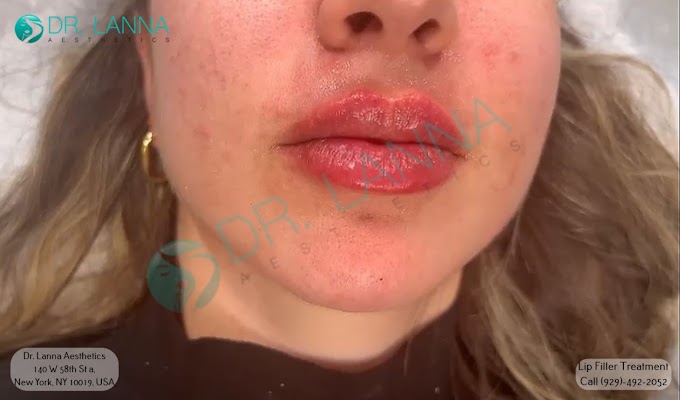
Lips. Dermal filler lip augmentation should respect the face. The goal is soft structure, not bulk. A first session often uses 0.5 to 1.0 ml. Expect more swelling here than anywhere else. For patients concerned about lip lines, a more diffuse, microdroplet placement can smooth fine lines without significantly enlarging lip volume. Men typically need attention to flat projection and definition rather than a pronounced cupid’s bow.
Cheeks and midface. Cheek dermal fillers can restore youthful contour and soften nasolabial folds indirectly. Proper placement along the zygomatic arch and the deep medial fat pads creates lift rather than outward puffiness. Overfilling the apple of the cheek gives a pillowy look that reads artificial, especially in profile. Two to three syringes can make a measured difference in someone with noticeable volume loss.
Under eyes and tear trough. This is a high-skill, high-stakes area. For many, the “tired” look is a combination of midface deflation and thin skin at the lid-cheek junction. Sometimes the smartest move is to handle cheek support before adding under eye dermal fillers. For patients with very thin skin or significant orbital fat pads, alternatives like skin boosters or energy-based tightening may do more good. Tyndall effect risk rises with very superficial placement and with fillers that pull more water.
Chin and jawline. A recessed chin can throw the whole face off. Dermal filler chin augmentation can be subtle, 0.5 to 1.0 ml for definition, or more ambitious for projection. Jawline dermal fillers are helpful for blunting jowls, clarifying the mandibular angle, and supporting soft tissue. Expect firmer gels and attention to male versus female aesthetic ideals. Men often benefit from a squarer angle and stronger chin width. Women tend to look best with a clean jawline that transitions softly into the neck without bulky lateral width.
Smile lines and marionette lines. Treating these folds directly without structural lift often results in a puffy crescent around the mouth. When they are etched at rest, a combination approach - midface support plus precise superficial filler - tends to read natural. Patients over 40 or 50 often pair dermal filler for wrinkles with neuromodulators to quiet muscle pull, especially around the mouth and chin.
Acne scars and skin quality. Not all dermal filler is about volume. Certain techniques use microdroplets to lift atrophic scars slightly. Pairing with microneedling or energy-based devices can improve texture. A frank discussion about what dermal filler for acne scars can and cannot do helps. Filler softens transitions; it does not replace resurfacing.
How long does it last, and how much will you really need
Longevity depends on product, placement, and metabolism. Hyaluronic acid dermal fillers in lips often last 6 to 9 months because of motion. Cheek and chin placements can last 12 to 18 months, with some structure evident beyond that. Under-eye work can persist a year or more, but tiny changes in weight or hydration can alter appearance. Non HA fillers like calcium hydroxylapatite may last 12 to 18 months, and poly-L-lactic acid works cumulatively across several sessions with results over two years. Claims of multi-year permanence with standard HA should be viewed skeptically.
How much product you need is not just math by milliliter. A conservative first session with a review at two weeks and a planned touch up at six to eight weeks often yields better dermal filler natural look results than trying to reach the finish line in one visit. Expect maintenance annually or semiannually, depending on area and preference. Patients who want dermal filler subtle enhancement rather than a dramatic shift usually do best with these staged plans.

Reviews, ratings, and what they really tell you
Dermal filler reviews can offer patterns if you read between the lines. Look for mentions of safety explanations, time spent mapping a plan, and willingness to say no. Repeated praise for natural results and clear aftercare guidance is a good sign. One-off complaints about bruising are common and not necessarily indicative of poor technique. Repeated complaints about feeling rushed, about hard upsells on dermal filler packages, or about the provider being unavailable for concerns are more telling.
Star ratings on aggregated platforms skew high in aesthetics because of solicitation and selection bias. Treat them as a starting point. A dermal filler top rated badge is nice, but the portfolio, credentials, and consultation process should drive your choice.
Clinic environment and support team
Expert injectors work in settings where safety is the baseline. That includes a clean, well-lit procedure room, medical-grade storage for products, sharps disposal, and signed consent forms that cover risks including vascular events and granulomas. The front desk should manage dermal filler appointment booking with accuracy, send pre and post care instructions, and schedule follow ups routinely. Dermal filler same day appointment slots exist, but a clinic that can explain when a walk in makes sense and when to wait - for example, if you took aspirin yesterday or have an event in three days - demonstrates judgment.
In many places, a medical director oversees a team of injectors. Ask whether the person you meet will be the one treating you. Consistency matters for dermal filler maintenance and for comparing dermal filler before and after photos over time.
When combination treatment is the better choice
Filler is not a hammer for every nail. Real facial rejuvenation often blends dermal filler and botox for dynamic lines on the forehead and crow’s feet, skin treatments for texture and pigment, and sometimes biostimulators for collagen support. If your concern is deep glabellar lines, filler is not the first choice due to vascular risk. If your concern is sagging skin, threads or surgery may be more appropriate than more filler. An expert who offers dermal filler alternative to surgery will also know when surgery is the right call.
For men and women, the goals differ slightly in angles and proportions, but the process is the same - assess, plan, stage, and refine. Patients over 50 often benefit from a lift-first strategy, replacing structure in the midface and chin before chasing lines. Patients in their 30s looking for dermal filler subtle enhancement might do best with lip shaping and modest cheek support. Either way, less can be more, especially in high-motion areas.
Red flags that should give you pause
Pricing so low it seems impossible, a one-size-fits-all approach, or a clinic that publishes only extreme glam shots are red flags. So is a portfolio with only front-facing images, or one where every lip looks the same. Beware of guarantees on dermal filler longevity or results. Human tissue is variable, and honest practitioners will discuss ranges.
Another red flag is the absence of a cooling-off period for sizeable treatments. Good clinics are comfortable saying, let us start conservatively and reassess, rather than pushing for multiple syringes in the first sitting. If you mention you bruise easily and the provider does not suggest arnica, bromelain, or schedule adjustments, you may not be with a detail-oriented team.
Booking with confidence
Once you have reviewed credentials and portfolios, schedule a dermal filler consultation and come prepared. Bring reference photos of yourself at a younger age if your goal is volume restoration, and make a short list of priorities - for example, soften smile lines, lift cheeks slightly, and refine chin. Ask plainly about dermal filler procedure steps, pain control options like topical anesthetic or nerve blocks, product brands, and what happens if you dislike the result. A reputable dermal filler clinic will walk you through dissolving options for HA fillers, expected recovery time, and check-ins.
Online booking is convenient for dermal filler treatment near me searches, but do not skip the pre-visit call if you have medical conditions or travel plans. Confirm medication guidance - you may be asked to pause certain supplements and avoid alcohol 24 hours before to reduce bruising. If you are exploring dermal filler walk in availability, call first to confirm the injector you want is on site. If timing is tight for an event, consider staging - a small refinement now, a touch up later - rather than betting everything on one appointment.
The bottom line
Finding dermal filler experts near me is less about proximity and more about proof. Credentials confirm baseline competence. Portfolios reveal aesthetic sense and consistency. The consultation exposes judgment and communication. Pricing should match the market and the plan, not push you into excess. Safety protocols must be visible and rehearsed.
When you align all of these pieces, you can expect a treatment that respects your face and your timeline. Whether you are planning a modest dermal filler lip enhancement, a strategic cheek lift to soften nasolabial folds, an under-eye refresh for dark circles, or a crisp jawline contour, the right provider will favor subtlety, stage the work, and follow through. That is how you get natural, durable dermal filler results that look like you on your best day - not like someone else.